The first night in a campervan is the one people worry about most. You have driven for hours, the light is going, and you are not quite sure whether the layby you just passed counts as a legal place to sleep. It does not have to be complicated. A little planning before you leave turns an anxious evening into a quiet, unremarkable one — which is exactly what you want.
The Legal Position, in Plain Terms
In England, Wales and Northern Ireland there is no general right to park and sleep overnight on land you do not own. That includes most roadside laybys, verges, public car parks and beauty spots. Sleeping in a vehicle on a public road can breach a local traffic order or byelaw, even where parking during the day is allowed.
Scotland is different, but not as different as many people assume. The right of responsible access covers walking, cycling and lightweight camping — it does not extend to taking a vehicle onto land and sleeping in it. So a campervan does not inherit the wild-camping freedoms a tent does. Some popular areas also run seasonal permits or byelaws to manage numbers in summer.
None of this means overnight stops are hard to find. It means permission is the thing that makes a stop legal, and permission comes from a landowner, a campsite operator, a pub landlord or a council that has decided to allow it. Rules change, and they vary from one council to the next, so check the local authority website or ask directly before you rely on a spot. If you are unsure about anything legal or regulatory, take proper advice rather than guessing.
Your Realistic Options
Most nights away in a van fall into one of a handful of categories. Knowing them makes planning much quicker.
- Campsites. The simplest option and the best choice for a first night. You get a guaranteed pitch, a proper hook-up and somewhere to empty the toilet.
- Certified Locations and Certified Sites. Small five-pitch sites on farms, in pub gardens and on private land, listed by the two main caravan and motorhome clubs. Usually basic, often lovely, and generally open to members.
- Pub stops. Many pubs welcome a van overnight if you eat and drink there. Always ring ahead and ask — turning up unannounced and hoping is how pubs end up banning it for everyone.
- Farm and private land. Often the cheapest and quietest stop, arranged in advance with the owner. Expect a field, a tap and not much else.
- Council car parks and designated overnight areas. A growing number of authorities allow motorhomes to stay overnight in specific car parks, sometimes for a small charge. Read the signs carefully.
- Motorway services. Fine for a few hours' sleep on a long drive, but noisy, rarely scenic, and not somewhere to settle in for a weekend.
- Laybys and verges. Tempting when you are tired, frequently illegal, and rarely restful. If you are not certain it is allowed, move on.
What Facilities to Expect
The gap between a full campsite and a pub car park is enormous, so pitch your expectations accordingly.
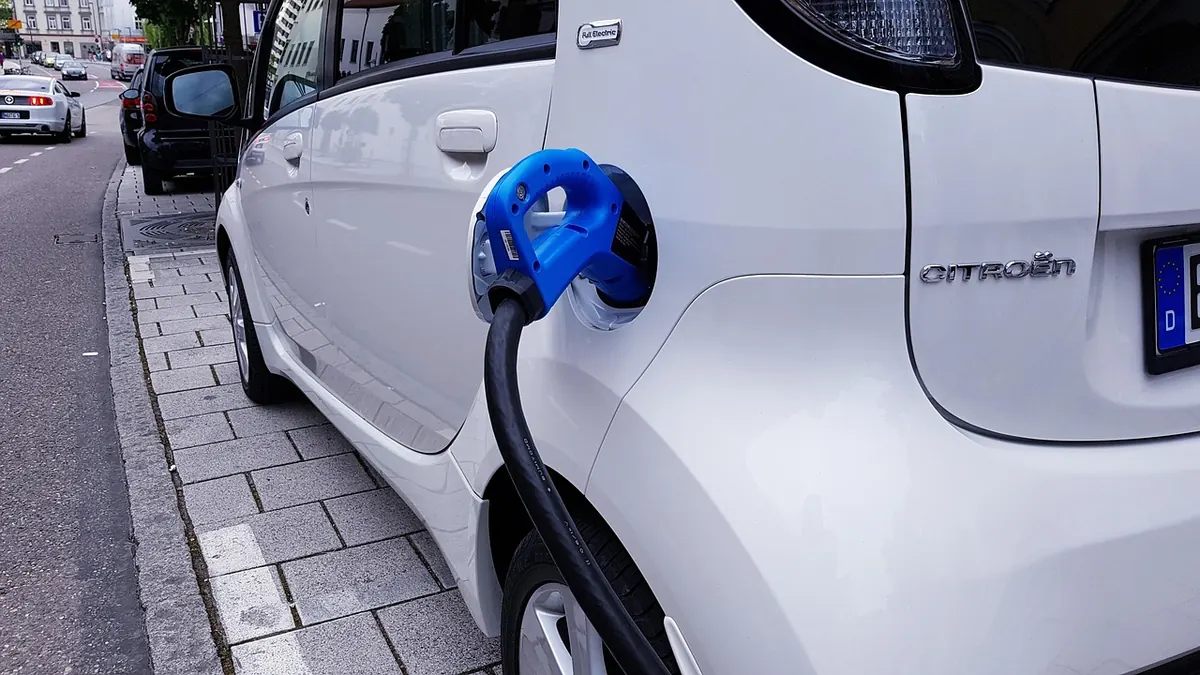
- Electric hook-up. Normally a blue 16-amp socket on a post. You will need your own lead — 25 metres is a sensible length.
- Fresh water. A tap or service point. Bring a food-grade hose and the right fittings; you cannot rely on borrowing one.
- Chemical toilet disposal. A dedicated emptying point, sometimes called an Elsan point. Never tip a cassette down a public toilet, a drain or a hedge.
- Waste water. A drain or grey-water disposal point at most sites. If there is none, use a container and empty it at home.
- Toilets and showers. Standard on full sites, rare on small ones and almost unheard of at pub stops.
- Rubbish. Take it with you unless a bin is provided and clearly meant for campsite waste.
Planning Your First Night
The routine below is what most experienced van owners do without thinking. Follow it once and it becomes habit.
- Choose the type of stop. For a first night, book a campsite — somewhere with a toilet block and someone on site.
- Confirm the rules. Check the council website, the club listing or make a quick phone call, and save the confirmation.
- Arrive in daylight. Pitching in the dark is where most mishaps happen.
- Have a Plan B. Know a second site or stop within about twenty minutes' drive.
- Check the approach. Height barriers, weight limits, narrow lanes and low branches catch more vans than anything else.
- Level up and settle. Use ramps, chock the wheels, apply the handbrake, then set up inside before you cook.
Staying Safe and Keeping Quiet
Most of what keeps you safe overnight is common sense, but it is worth saying out loud.
Never use a barbecue or portable stove inside the van, and keep vents and windows clear so air can move through. If your van has gas appliances, have them checked by a qualified engineer and fit a carbon monoxide alarm — they are inexpensive and they save lives. Keep a torch within reach, keep your phone charged, and note where you are in case you need to give directions.
Etiquette matters more than most newcomers expect. Keep noise low after dark, do not idle the engine or run a generator late, and leave the pitch exactly as you found it. Awnings, chairs and washing lines generally belong on campsites, not in a pub car park.
Before You Set Off: A Five-Minute Check
- First night booked or confirmed, with the address saved.
- A Plan B saved in your phone.
- Water tank filled and toilet cassette empty.
- Leisure battery charged and gas bottles checked.
- Ramps, chocks, torch, hose and a spare key kept separately.
- Cash or a payment app for small sites and car parks.
Get the first night right and the rest of the trip looks after itself. Book somewhere simple, arrive while it is still light, and let the slow part of the day start early.