You have been driving for two hours, the passenger needs the loo, and the fuel light has just flickered on. The next blue sign appears and you swing into the first services you see. That is how most disappointing motorway stops happen.
Service areas are not built to the same standard, and the choices you make in the sixty seconds before an exit slip road decide whether you are back on the road in fifteen minutes or stuck behind a coach party. None of it is complicated. It just needs a bit of thought before you indicate.
Skimming the signs on the approach
Those blue signs start appearing miles before the exit, and they carry more information than most drivers bother to read. The symbols tell you whether there is fuel, a café, toilets, a hotel or a picnic area. If the fuel symbol is missing, take it at face value and plan accordingly.
Just as useful is the sign that names the next services down the road. If you are not desperate, that sign lets you skip a small site with one tired café and hold out for a larger one twenty miles further on. The trade-off is real: a little patience usually buys you better food, cleaner toilets and a space to park.
At the exit itself, watch for the small direction sign on the slip road. Larger sites are often split, with parking to the left and fuel to the right, and picking the wrong lane means a slow loop back around the site.
Assuming every service area is the same
The name on the sign tells you who runs it, not what you will find inside. Two sites under the same brand can be completely different: one a modern building with a proper food court and a row of coffee shops, the other a dated block with a single counter and a petrol station.
Layout varies wildly too. Some sites put the car park in front of the building, some tuck it behind the fuel pumps, and a few sit on one side of the motorway with a bridge or underpass to the other. If you have limited mobility, are travelling with a baby, or are towing, it is worth knowing roughly what you are driving into before you commit to the exit.
Paying over the odds for fuel
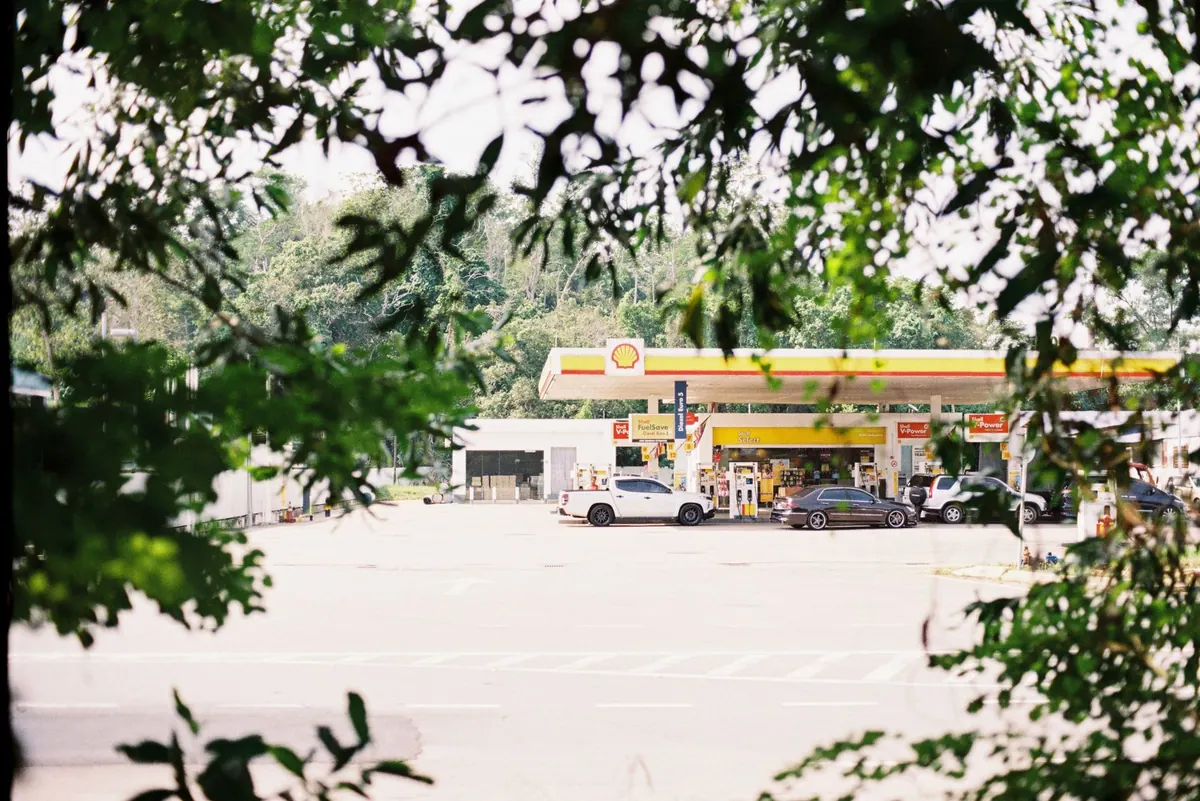
Motorway fuel is generally the most expensive you will buy on a journey, and it is the single easiest mistake to avoid. The pump price on the forecourt is set for people who have no alternative, and many of them have arrived on fumes, which is a far worse problem than paying a few pence more per litre.
- Fill up before you join or after you leave. Supermarkets and town filling stations a mile or two from a junction are usually significantly cheaper.
- Never let the tank run to the warning light on a long trip. Arriving with a margin means you keep the choice of where to buy.
- Buy only what you need. If the services are your only option and you are low, put in enough to reach a cheaper pump rather than filling the tank.
- Check prices before you set off. Fuel-price apps and route planners take seconds to check and can save a noticeable amount over a long drive.
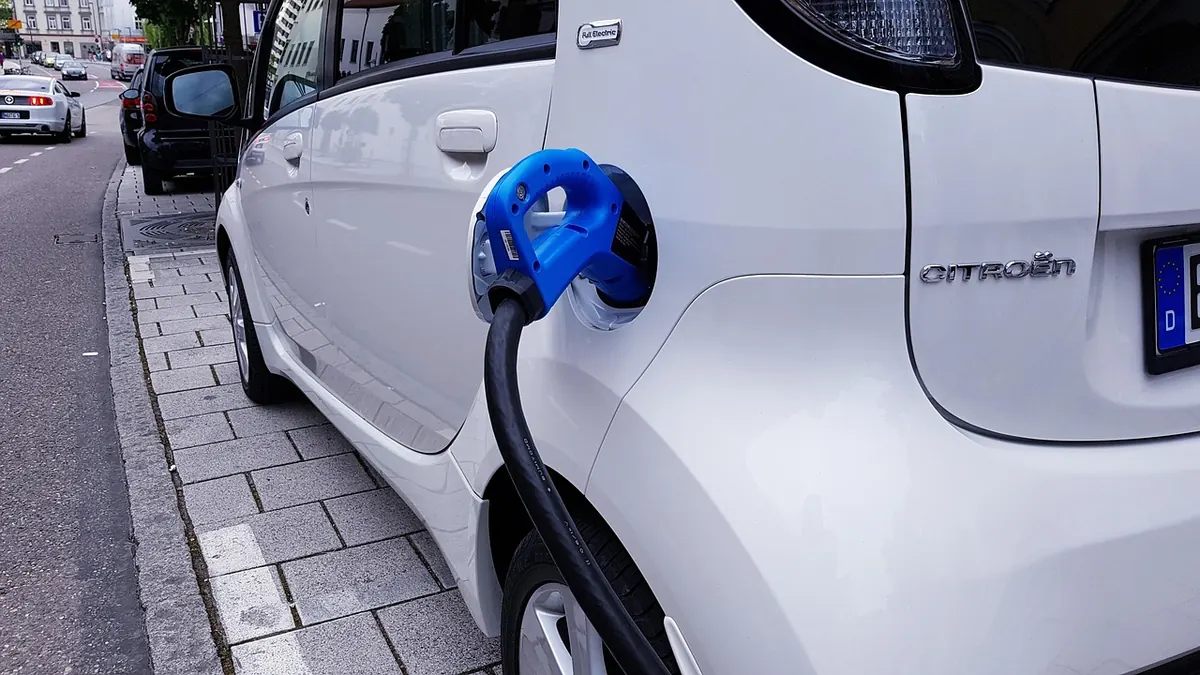
- If you drive an electric car, plan the charging stop, not just the coffee stop. Check the connector type and how many charge points a site has, and allow for the possibility that one is out of order or occupied.
Prices change constantly, so go on what you check today rather than what you paid last summer.
Arriving at the worst possible time
Motorway services have rush hours of their own, and they rarely match the ones you would expect. Bank holiday weekends, the Friday afternoon exodus, Sunday evenings, the first and last days of school holidays, and the stretch around midday all bring the same result: a full car park, a queue for the toilets and a long wait for hot food.
The fix is simple. Stop earlier or later than you feel you need to, ideally mid-morning or mid-afternoon, and build in an extra ten minutes for the stop itself so you are not rushing. If a site looks busy from the slip road, the next one is often noticeably quieter, particularly if it is further from a big city or an airport turn-off.
Parking in a rush and regretting it
A busy car park turns sensible people into opportunists. Squeezing into a gap that is not a bay, blocking a turning circle or leaving the car half on a kerb all cost more time than they save, and can cost money if you come back to a ticket or a scrape.
Do two small things before you walk away. Note the zone letter, colour or number on the nearest post, and take a mental snapshot of a landmark — the entrance, a fuel canopy, a particular tree. Then check you are not in a bay reserved for lorries, coaches or blue badge holders, because those are the spaces most likely to be enforced.
Ignoring what is just off the junction
Not every stop has to happen behind a motorway sign. A retail park, supermarket café, garden centre or country pub a few minutes from a junction often beats the services on price, space and calm. Dedicated truck stops are another good option if you want a proper meal and a shower rather than a sandwich eaten standing up.
The trade-off is time: leaving the motorway, finding the place and rejoining can add twenty minutes or more, and an unfamiliar town centre at the wrong moment is its own kind of stress. On a short hop, use the services. On a long drive, one off-motorway stop is usually worth the detour — especially if it doubles as your fuel stop.
A simple routine before you pull in
None of this needs planning weeks ahead. A quick routine at the wheel covers most of it.
- Decide what the stop is actually for: fuel, food, toilets, or a proper break.
- Read the approach sign and note the distance to the next services.
- Choose your bay deliberately, and remember where it is.
- Set a rough time limit if you are on a schedule, and stick to it.
- Buy fuel off the motorway wherever you can.
One last thing. A service station is a place to stop, not a cure for tiredness. If you are struggling to concentrate, no amount of coffee will do the job that a proper rest will. Pull in, take the break you need, and arrive home sharper.
Photo: Din Aziz / Pexels