Somewhere on the M6, an hour behind schedule, everyone in the car is hungry, the driver has a stiff neck, and the next proper stop is twenty-five miles away. It did not have to be like that. Most bad road trip stops are decided in the last ten minutes, when patience has run out and options are thin. Planning them in advance takes twenty minutes at the kitchen table and changes the entire feel of a long drive.
The method below works on any UK route, whether you are heading from London to the Lake District in one push or ambling through the Cotswolds with no fixed arrival time.
Start With the Driving Day, Not the Destination
Before you look at a single café, work out what the day actually looks like behind the wheel. A 300-mile run on motorways is a very different beast from 150 miles of winding A-roads through Devon, even though the distance sounds manageable on paper. Bendy roads, tractors, tourist traffic and single-track sections all add time.
Be honest about your realistic average speed. Motorway miles usually tick by quickly; rural miles rarely do. Then add a buffer — roughly 15 to 20 per cent on top of whatever the satnav says. If a route is predicted at four hours, plan for four and a half. That extra half hour is what stops the whole day feeling like a race.
Write down two numbers: your departure time and your latest sensible arrival time. Everything else fits between them.
Work Out When You Actually Need to Stop
The driver sets the schedule, not the passengers. A useful rule for most people is a break of at least fifteen minutes roughly every two hours, and longer if the drive is long or the roads are demanding. Tiredness creeps up quietly on motorways, where the scenery barely changes and the hum of the tyres does its work.
Two things matter more than anything else here:
- Stop before you need to. If you are waiting for a second wind, you have already left it too late. Pull in earlier than planned and walk around properly.
- Get out of the car. Sitting in the driver's seat with a coffee is not a break. Stand up, stretch, use the facilities, get some air.
If you take medication that can affect alertness, or you have a health condition that changes how you cope with long drives, speak to your GP or pharmacist before the trip and plan your stops around their advice.
Choose the Right Kind of Stop
Not every pause needs to be the same. Match the stop to the moment.
Motorway services
Reliable, open long hours, easy to find and rarely more than a few minutes off the carriageway. Ideal for a quick comfort break, fuel or a coffee when you are running late. They can be busy at peak times, and the food is often the weakest part of the experience.
Market towns just off the route
A ten-minute detour into somewhere like Kendal, Hexham or Ludlow turns a functional stop into the best hour of the day. Better food, a proper walk, a bit of character. Budget an hour rather than twenty minutes, and check parking before you commit.
Country parks, reservoirs and picnic spots
Perfect for families, dogs and anyone who needs real space to move. Often free or low cost, but frequently short on facilities — check toilets and opening times in advance. Car parks in popular areas fill by mid-morning in summer.
A layby
Fine for a two-minute leg stretch or a change of driver. Not a substitute for food, toilets or a proper rest.
Check the Details Before You Commit
This is where a little research pays off. Two minutes per stop saves half an hour of circling a car park looking for a space that is not there.
- Opening hours, including kitchen times — many pubs stop serving food between 14:30 and 17:00.
- Parking: charges, time limits, and height barriers if you are in a van or with a roof box.
- Toilets, including whether they are open and accessible.
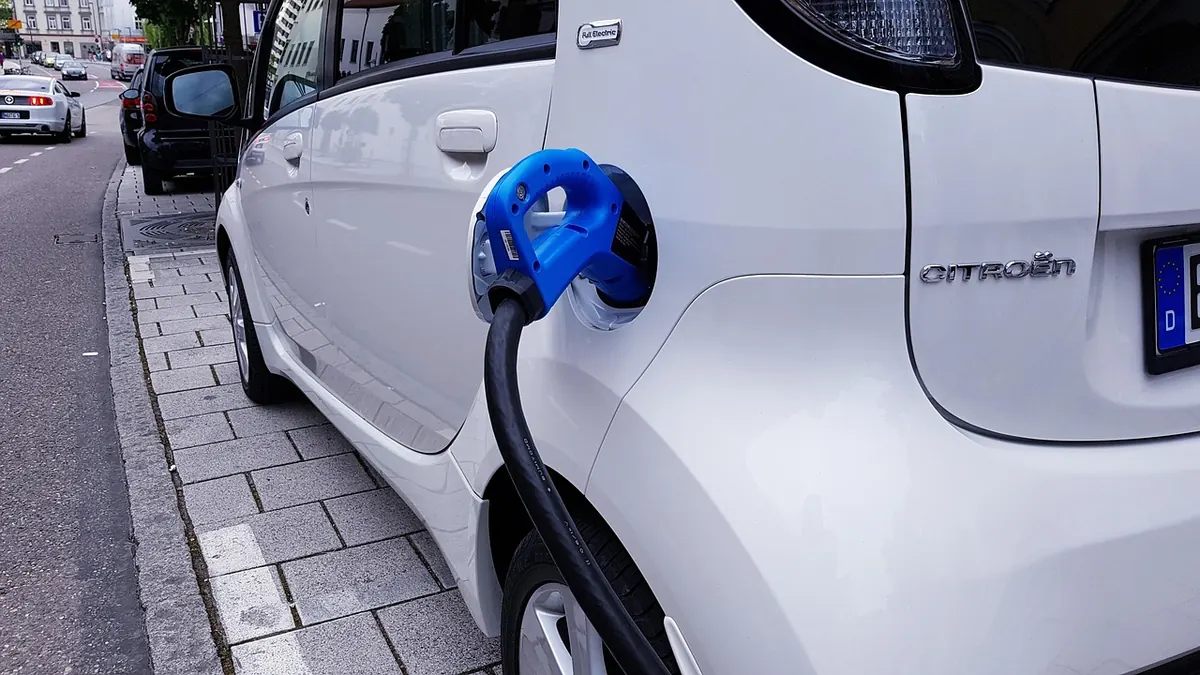
- Fuel or charging, if you need it — and whether the stop is the right side of the road for it.
- How far the stop is from your route. Anything over ten minutes each way needs to earn its place.
Book what needs booking. Popular Sunday lunch pubs, farm shops with limited seating and campsites on bank holidays all fill up. For everything else, a note of the address is enough.
Build a Flexible Timeline
Turn your thinking into something the passengers can see. A straightforward example for a five-hour drive:
- 08:00 — leave home, coffee in hand.
- 10:00 — first stop, fifteen minutes, ideally somewhere with a decent toilet.
- 12:30 — main stop of the day, an hour, with real food and a walk.
- 15:00 — short pause if the driver wants it, or skip it if everyone is fresh.
- 17:15 — arrive, allowing for the usual delays.
For each planned stop, note one alternative a few miles further on. That single line of preparation is what saves you when the first choice is closed, full or shrouded in roadworks.
What to Do When the Plan Slips
It will. A closed lane, a crash, a slow tractor, a child who needs the loo ten minutes after leaving — all normal. Decide in advance which stop is your must-keep and which is your cut list. If you are running an hour late, drop the least useful stop rather than shaving time off all of them.
A rushed stop is worse than no stop. You spend the time queueing, come back stressed, and the driver is no safer than before.
Never make up lost time by cutting the driver's break. Arriving thirty minutes later is a small inconvenience. Arriving dangerously tired is not.
A Quick Checklist for the Night Before
Ten minutes of preparation, then leave it alone and enjoy the drive.
- Confirm departure time and realistic arrival window.
- Mark your stops on the map or phone, with an alternative for each.
- Check opening hours for anything you intend to use.
- Pack water, snacks and a refillable bottle — hunger makes every delay feel worse.
- Charge phones and download an offline map for patchy signal areas.
- Tell someone your route if you are driving a long distance alone.
The best road trip stops are unremarkable on paper: well timed, easy to find, and long enough to be worth it. Get those three things right and the miles between them look after themselves.
Photo: Anastasia Shuraeva / Pexels