Somewhere past the third junction, the signs start competing. Blue for the motorway services, brown for a farm shop, a small white board for a café promising all-day breakfasts. You have forty minutes of patience left in the car and a decision to make. Neither option wins every time, but the two are good at very different things, and knowing which is which saves money, time and a fair amount of grumbling from the back seat.
What motorway services do well
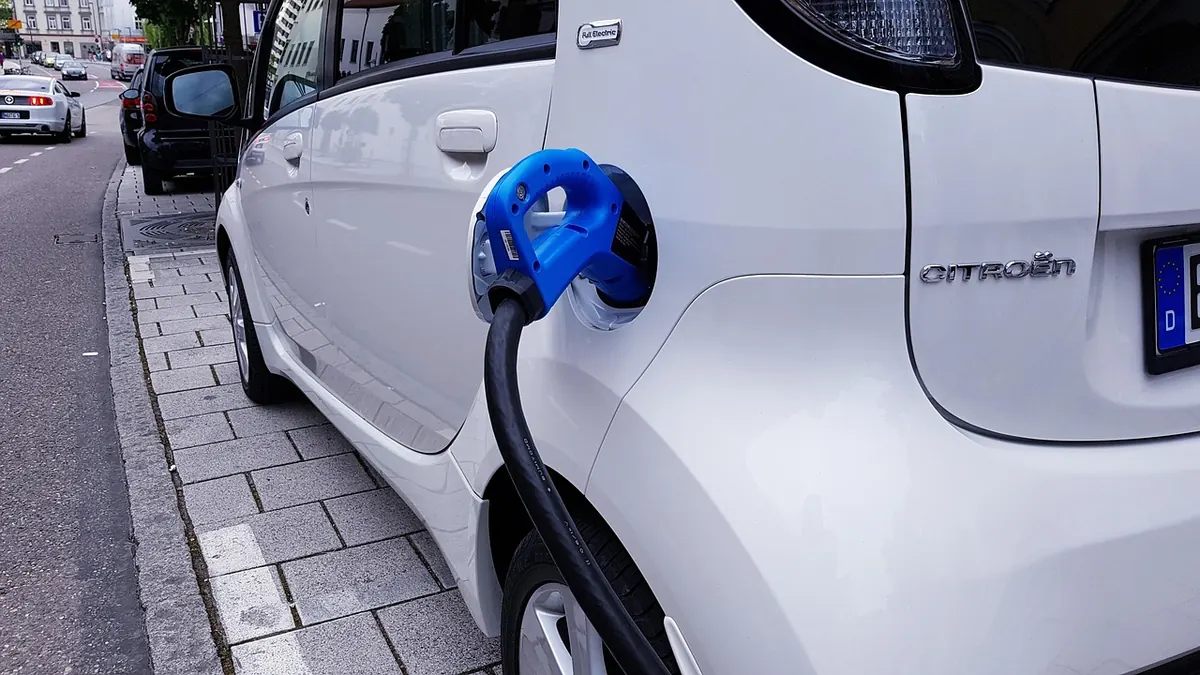
Services are built for one job: getting a lot of people fed, watered and back on the road without drama. That means long opening hours, often around the clock, plus well-lit parking, clean toilets, fuel, EV chargers, a shop and at least one hot food counter. If you are travelling with young children, towing a caravan or arriving at eleven at night, that predictability is worth a great deal.
They are also easy. You leave the carriageway, park, and everything you need sits within fifty metres. No narrow lanes, no reversing into a hedge, no wondering whether the kitchen stopped serving at three.
The trade-off is character. Most services are owned by the same handful of operators and stocked by the same chains, so a stop on the M5 feels much like a stop on the M1. There are exceptions, and Tebay and Gloucester are the well-known ones, but they remain exceptions rather than the rule.
What A-road cafés do well
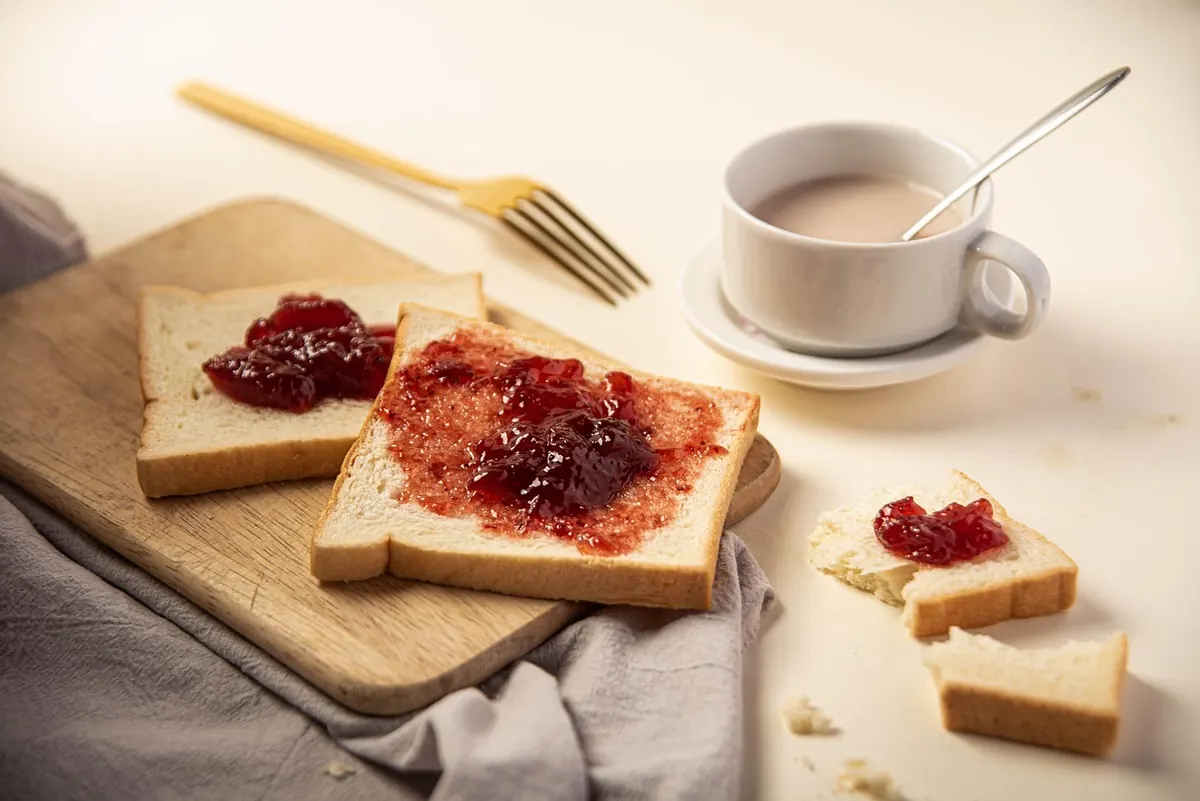
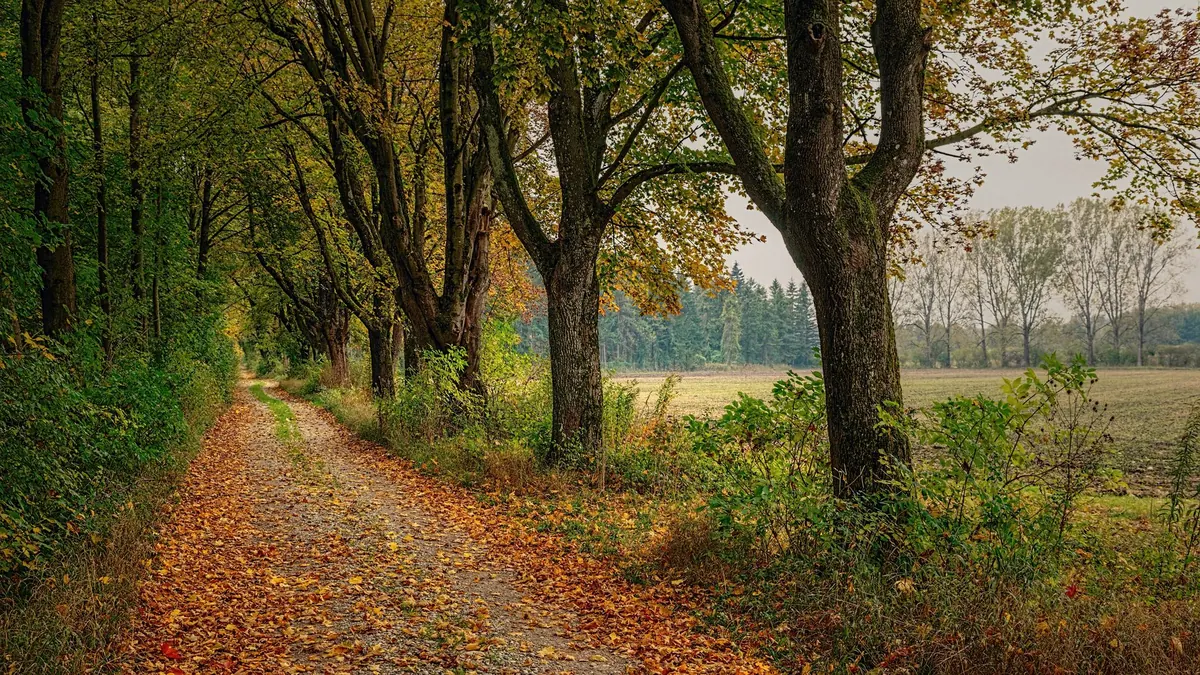
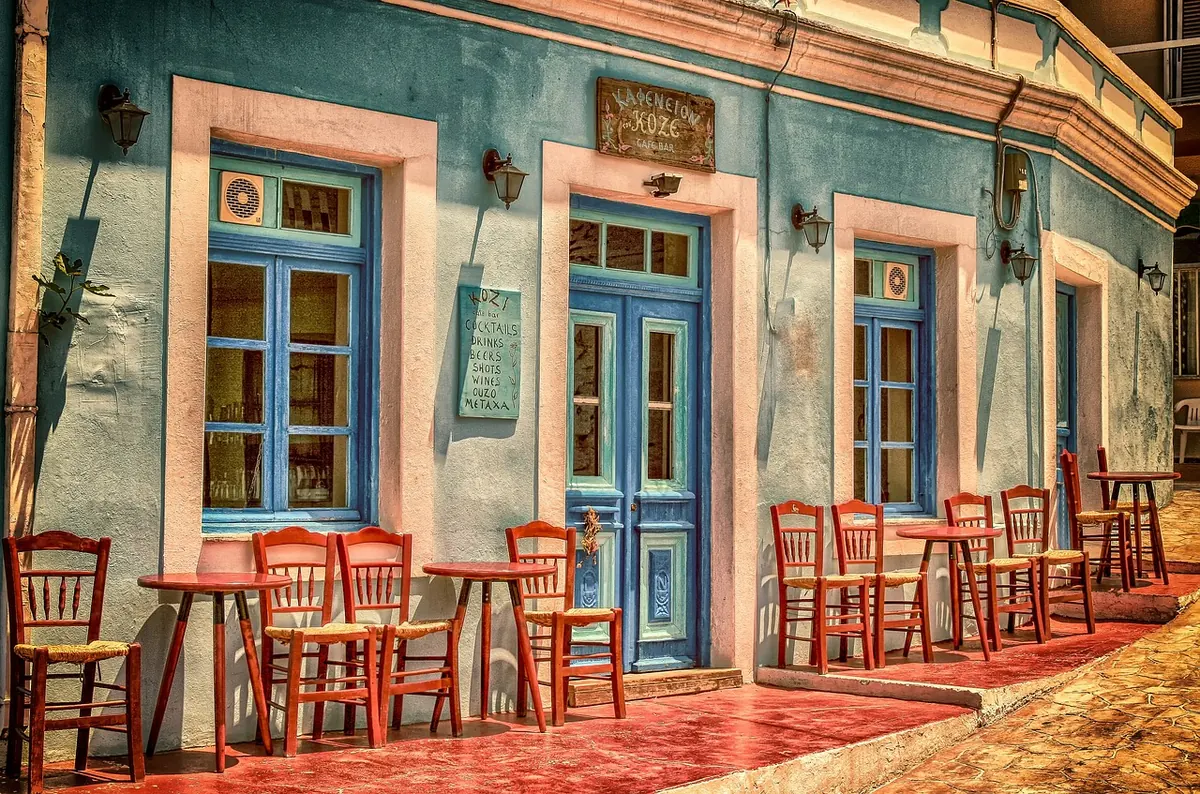
A good roadside café is the opposite: small, specific and run by people who know their regulars. You will often get proper cooking rather than reheating — a fried breakfast, a bacon roll, a bowl of soup, a decent pot of tea — served in a room where the conversation is local and nobody hurries you out.
The honest part: not every A-road café is a gem. Some are tired, some close at three, some are essentially a shed with a kettle. The good ones reward a little homework. Look at the car park on the approach — vans, farm pickups and a couple of lorries are a better sign than a forecourt full of nothing.
Cost: where the money actually goes
Motorway services charge a premium. Their costs are high and their customers are, in effect, a captive audience; nobody pulls off the M6 because they were passing anyway. That premium shows up most clearly in coffee, sandwiches and fuel. An A-road café will usually undercut them on cooked food, and a supermarket or village shop near a junction will undercut both.
If cost matters, separate your stops. Buy fuel where it is cheap, usually in a town or at a supermarket slightly off the motorway, and take your break somewhere you actually want to sit.
Roughly how they compare
- Fuel: services tend to be the most expensive option; a short detour into a town often pays for itself.
- Coffee and snacks: services are pricier but fast and consistent; cafés are cheaper and slower, and usually better.
- Hot meals: the biggest gap. A café breakfast or lunch is generally better value than the services equivalent.
- Parking: free at both for a normal-length stop, though services often have time limits and cameras.
Food, and how long it takes
Services win on speed, choice and dietary labelling. If somebody in the car needs gluten-free, vegan or low-sugar options, the chains have done that work for you and allergen information is easy to find. Expect to be in and out within half an hour.
A café runs at a different pace. Food is cooked to order, which means ten or fifteen minutes before you eat, and a limited menu if you arrive late. Vegetarian options in older establishments can be thin. What you get in return is food that tastes like a person made it rather than assembled it from a chiller.
Parking, access and the unglamorous details
Services are designed around vehicles: wide bays, clear markings, designated spaces for caravans, trailers and HGVs, lighting, CCTV, and toilets you can reach without crossing a road. If you are driving something long or awkward, that alone settles the argument.
A-road cafés vary enormously. Some have generous car parks. Others are a strip of gravel beside a busy road, with a height barrier, a tight entrance and a blind exit. Check before you commit, particularly if you are towing.
Atmosphere: the part you remember
Nobody has ever called a motorway services charming, and that is not the point. They are bright, anonymous and efficient, which is exactly what you want at six in the morning when you need a coffee and a clean toilet.
A café gives you something to remember: a table by a window, a chat about which road to avoid, a slice of cake that turns a chore into a break. For a short solo drive, the café wins. For a long motorway haul with a full car, the services usually win, and there is no shame in that.
How to choose on the day
A few habits worth keeping, before you set off or at least before the fuel light comes on:
- Plan your stops roughly, not rigidly. Knowing where the gaps are stops you settling for the only option for the next forty miles.
- Check opening hours for any café you are counting on. Many close mid-afternoon and some shut on Mondays.
- Use services for quick stops — toilets, fuel, a sandwich — and save the café for a meal you actually want to enjoy.
- Keep water and a snack in the car so that a disappointing stop is an inconvenience rather than a crisis.
The best road trips use both. Services keep you moving; cafés make the moving worth doing. And if you are tired, stop properly. A break and a coffee help for a while, but nothing beats rest, and no schedule is worth driving through a fog of tiredness.
Photo: analogicus / Pixabay