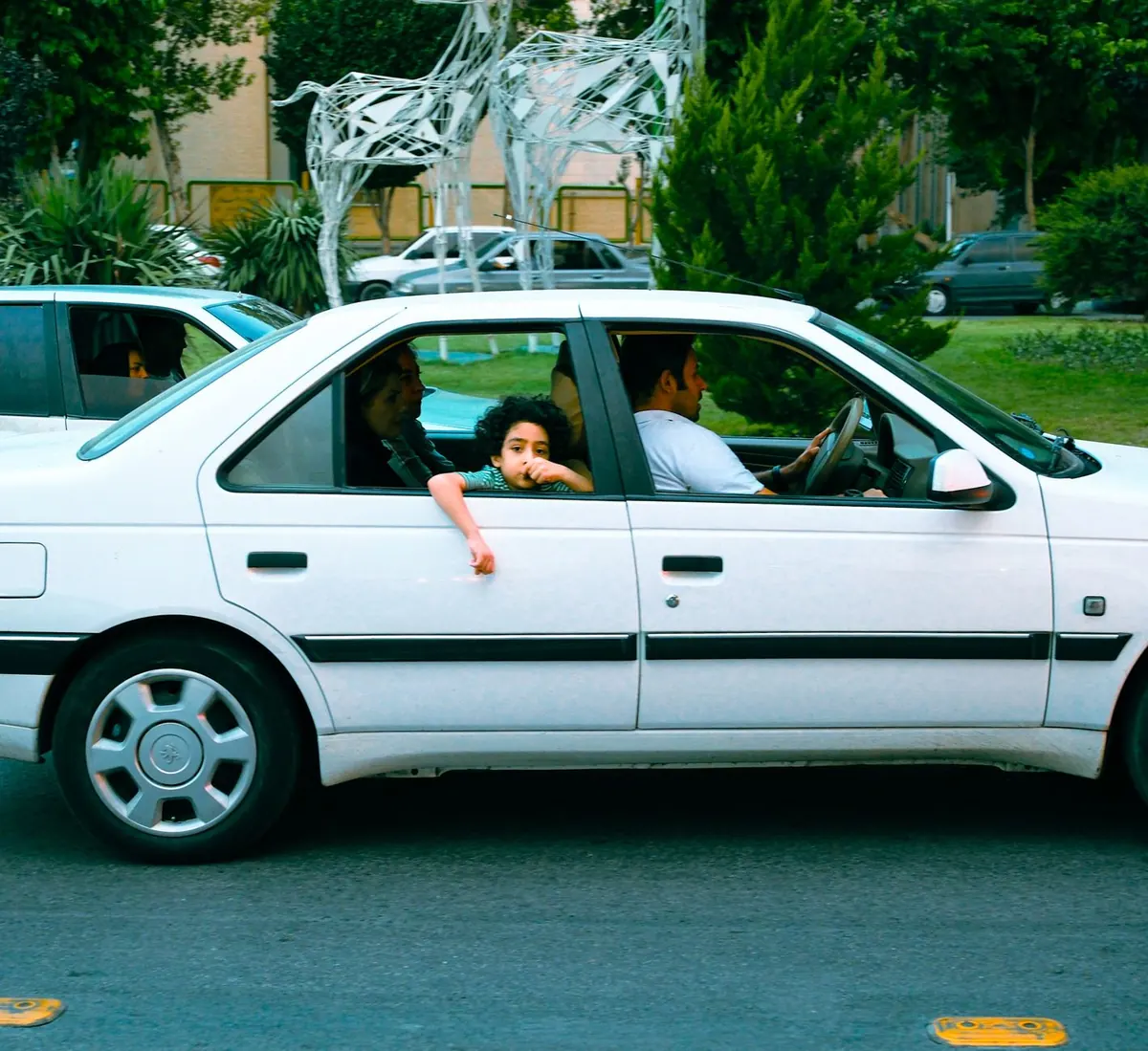
Family road trips rarely fall apart at the big moments. They unravel over small things: a four-year-old who needs the toilet eleven miles after the last junction, a baby who has filled a nappy somewhere near the M6, and a driver running on cold coffee and optimism. Motorway services are not the problem — they are the reset button. The trick is knowing what you need before you indicate, so the stop takes twenty minutes instead of an hour.
This checklist covers the five things that decide whether a family stop works: toilets, baby changing, food, play, and a quick refuel. Print it, fold it, and keep it in the glovebox.
Plan the Stop Before Anyone Needs It
A good stop is planned, not panicked. As a rough guide, break the journey roughly every two hours, or sooner if you're travelling with a baby or a child who is recently toilet trained. Waiting for the first complaint means you're already behind.
Service areas are signed well before the junction, usually with the operator's name. Read those signs out loud as you pass. They tell you what's coming: a small forecourt with a coffee counter is fine for a driver swap and a quick wee, while a large site with a food court, shop and outdoor space is the one you want if you're feeding everyone and letting the children run.
Put a passenger on lookout duty. Thirty seconds of reading ahead — the next two service areas, whether there's a play area, whether the charging hub is on site — saves an argument in a lay-by. On A-roads, a town supermarket with a café will often beat a motorway forecourt on choice.
Toilets and Baby Changing: Sort These First
Toilets
Parking strategy matters more than you'd think. In a large car park, note the zone letter or nearest landmark before you walk away, and photograph it if the site is unfamiliar. Don't grab the first space if it means crossing a busy lane with three children; a longer walk on a pavement beats a dash between cars.
Then run the same routine every time:
- Everyone goes, including the child who insists they don't need to. You know how that ends.
- Take your own tissues and hand gel — dispensers run out, and the queue for the dryer is not where you want to spend your break.
- Agree a meeting point before you split up, particularly with teenagers.
- Accessible toilets on many sites need a RADAR key. If you don't have one, ask at the main desk or a shop till.
Baby changing and family rooms
Not every service area puts baby changing in the men's as well as the women's toilets, and some have a separate parent room that's far easier with a pram and a toddler in tow. Check the sign before you commit.
If you need a Changing Places facility — a larger accessible room with a hoist and an adult-sized bench — confirm it before you travel, because provision varies from site to site and a small forecourt almost certainly won't have one. Operator websites and national directories are the quickest way to check.
Pack a grab bag with nappies, wipes, nappy sacks, a changing mat you're happy to use on a public surface, and one full spare outfit. Rooting through a packed boot one-handed is a special kind of misery.
Food That Works With Children in Tow
The efficient move is to split up. One adult takes the children to the toilets while the other joins the food queue; by the time hands are washed, the tray is nearly ready. Both of you queuing for both things adds fifteen minutes to the stop.
- Order smaller portions than you think you need. Children eat in bursts, and leftovers go in the bin.
- Carry a snack bag — oatcakes, fruit, plain biscuits, water — so a stop doesn't have to be a full meal.
- Refill bottles rather than buying drinks. Most sites have a water point, or staff will fill one if you ask.
- Keep the driver's meal light. A heavy sit-down lunch is a reliable way to feel drowsy on the next stretch.
- If anyone has an allergy or dietary requirement, read the labels and ask staff rather than assuming the standard menu will be fine.
Play Areas and Burning Off Energy
Not every services has a play area, but the larger ones often have grass, picnic benches or a small frame outside. Ten to fifteen minutes of running, jumping and shouting resets children far better than a biscuit does.
Car parks are the risk, not the playground. Hold hands, keep one adult to two children where you can, and watch for reversing cars and near-silent electric vehicles. If there's no play area, a short lap of the perimeter path or a stair climb does the job — keep it brief and stay well away from the forecourt.
Make the last thing before getting back in the car another toilet trip. Play loosens bladders.
Quick Refuelling: Fuel, Charging and a Driver Swap
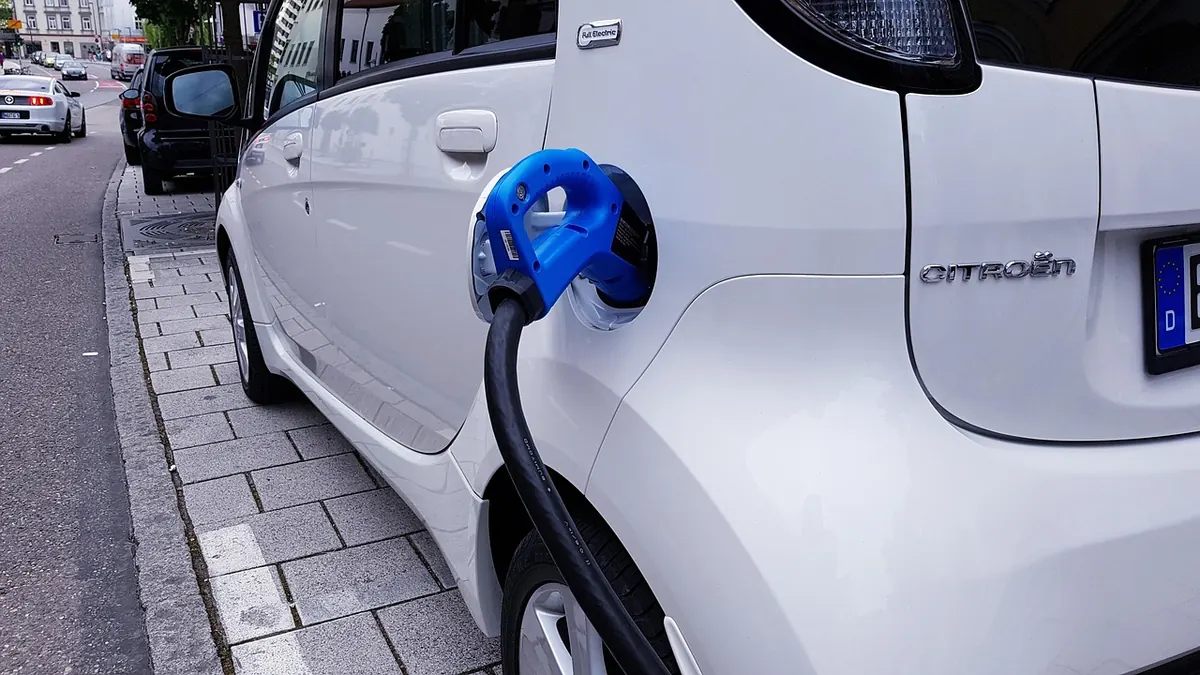
Motorway forecourts are usually the most expensive place to fill up, so top up before you join or after you leave if you can plan that far ahead. In an electric car, check live charger availability and connector type before you arrive, expect queues on busy weekends, and remember that charging slows considerably above roughly 80 per cent — a shorter top-up is often the faster choice.
Use the stop for a two-minute walk round the car: tyres, screenwash, lights, wipers. Check the parking signs too, since many sites limit free parking or charge beyond a set time. And if you're sharing the driving, swap at the services rather than on a hard shoulder — the new driver should be the one who didn't just eat a large meal.
The Checklist to Print
Photo: Ilhan Baloglu / Pexels